visit our sister company www.AndersonThermal.com

  • All Posts
  • Case Study
  • White Papers
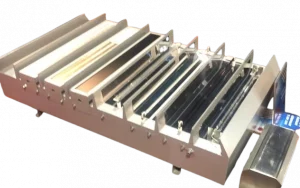
Shortwave IR - T3 Lamps, T4 Lamps

Do you know what these packaging products have in common? All of these products rely on a process called wet lamination, in which two substrates (usually made of paper, foil or film) are combined into a single web. A water-based adhesive coating is applied to one substrate, which is then nipped with another substrate. The combined web is then passed through a heated oven to remove the moisture from the coating. In many lamination processes,...
Process Heating Equipment Quality? It’s In The Proposal

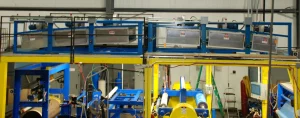
Your company takes great pride in the quality of its products. So when it’s time to purchase new process heating equipment for a new product or a new process, naturally you’re seeking out a vendor that places the same high value on quality. Especially when you’re considering a new supplier, how can you be sure that you’ll get equipment that performs reliably and will continue to meet your needs over time? Quality standards can slip Even when...

Conveyorized IR / Hot Air Dryer

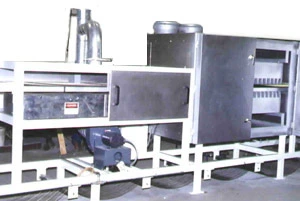
IR Troubleshooting: Frequent line stoppages can cause overheating If you have a process that requires drying or heating a continuous web but also requires frequent line stoppages, you may have thought using an infrared dryer was not an option for you. Due to the intense heat from the IR heater bank, stopping the line can cause the web to be exposed to excessive heat and result in product damage. You also might have the opposite...

5 Reasons to Choose a Through-Air Dryer for Process Heating

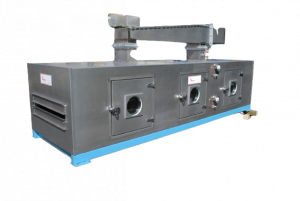
What is a through-air dryer? Through-air dryers, as the name suggests, use a heated airflow that passes through the material to remove moisture from permeable products, or to selectively melt bonding fibers. The heated air can be generated using any energy source available such as gas, steam, thermal oil, or electricity. The heated air is distributed uniformly above the product to be heated in a non-impingement fashion and then drawn thru the material using a...

Flotation Dryers

What is an impingement dryer? Impingement drying involves blowing medium to high-velocity hot air onto the material to be dried. In most cases, the material is a sheet or continuous web, which is transported through the dryer using rollers or a conveyor. The heated air can be generated using gas burners, electricity, steam; or even recovered from other processes, such as oxidizers. Using a controlled pressure blower, hot air is forced through nozzles or slots...

Load More

End of Content.

Copyright © 2025 IR Thermal Systems, LLC

Scroll to Top